

By Lisa Sommer King, senior program director for ACT's Center for Impact and Learning
 For many high school seniors, applying to college can feel exciting, yet overwhelming. Questions about where to apply, how to complete an application, whether they can afford college, and what happens next can quickly become challenges.
That’s where the American College Application Campaign (ACAC) comes in.
An ACT Center for Impact and Learning initiative, the ACAC works with high schools and communities to help students — particularly first-generation students and students from under-resourced communities — navigate the college application process and submit at least one application. Since 2005, nearly 7 million students have been served through ACAC events, with more than 12 million college applications submitted.
For educators planning a college application event this fall, the goal isn’t simply to provide a room full of computers; it’s to create an experience that makes applying to college feel possible, supported, fun, and worth celebrating.
Here are some practical tips and resources to make your event engaging and successful.
1. Start planning eight weeks ahead
A successful event begins well before students arrive.
ACAC recommends using the eight weeks before an event for pre-event planning. Resources include a site coordinator timeline, planning committee agenda, college research worksheet, volunteer task lists, and many other assets for building student excitement.
Start by identifying a small planning team that can help with:
- Student outreach and registration
- Family and community communication
- Technology and application support
- College and university partnerships
- Volunteers
- Financial aid and fee-waiver questions
- Event-day logistics
- Promotion and social media
2. Make the event about more than applications; make it about inspiration
Think of your event as a college-going celebration, not a paperwork session.
In the weeks leading up to the event, create visible reminders that college is also part of the school culture, along with other postsecondary options. ACAC suggests strategies such as college gear days, college-themed bulletin boards, “Ask Me!” signs, morning announcements, guest speakers, family nights, and social media promotion.
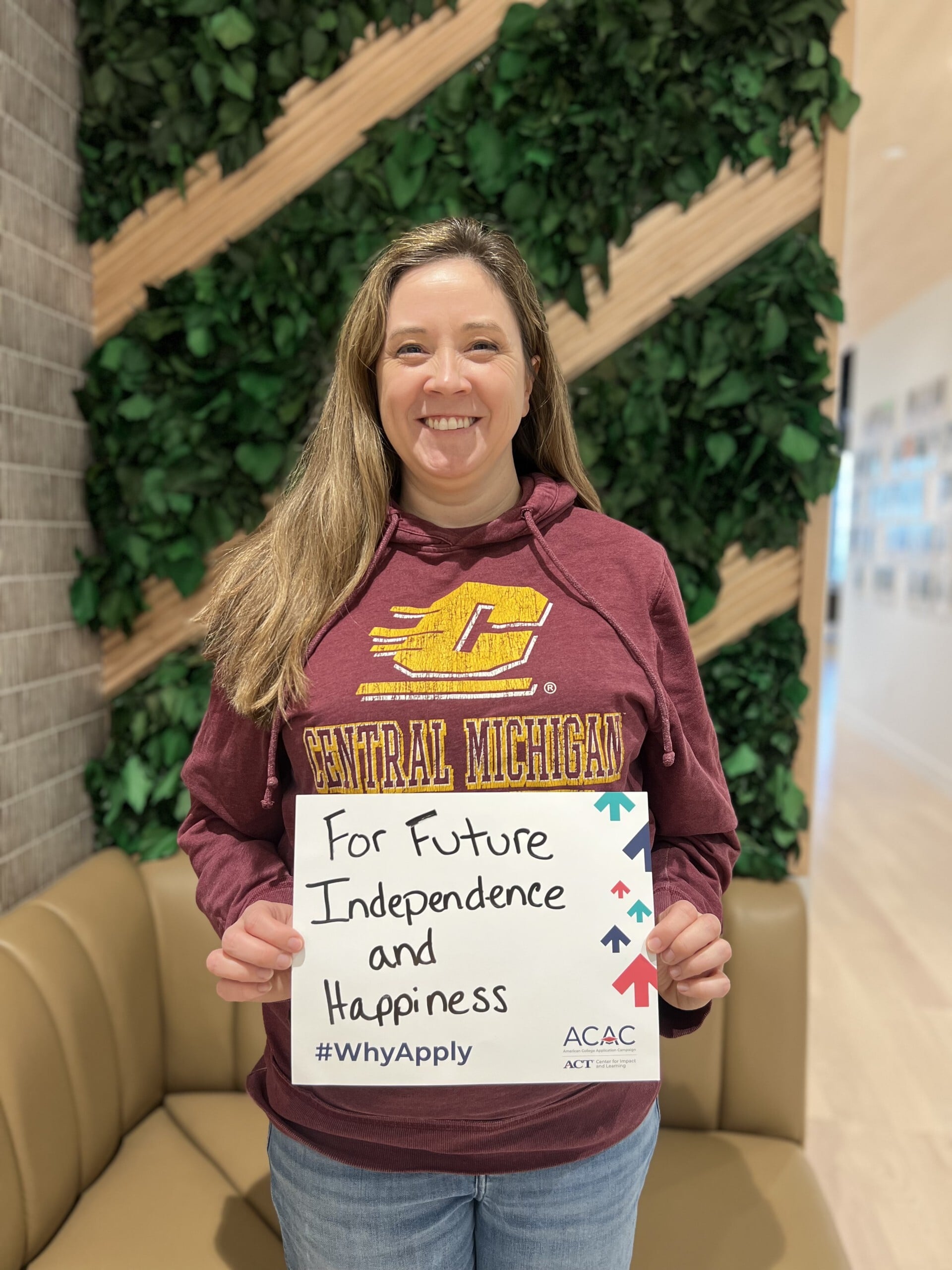
One particularly easy strategy: invite teachers and staff to wear apparel from their colleges and spend 10–15 minutes sharing their own college experiences with students.
This can be coordinated with the #WhyApply initiative — an annual, nationwide social media event that will occur on Sept. 18 this year. Faculty, staff members, family, and other community leaders can show off their college gear, write their reasons for applying to college on a card, and post their picture using #WhyApply. This is a great way to connect with students and help them find their ‘why.’
They can also answer:
- Why did you choose your college?
- What did you enjoy about it?
- What concerns did you have as a high school senior?
- Did your path change along the way?
- What do you wish you had known before applying?
These conversations can help students see college as something attainable and personal, not just another item on a checklist.
3. Remove barriers before students encounter them
Students can get stuck on a variety of issues: a forgotten password, a missing transcript, an application fee, uncertainty about test-score reporting, or confusion about financial aid.
It’s important to have resources and people available to help students with:
- College application accounts and passwords
- Transcripts and academic information
- Application fee waivers
- Test-score reporting
- College research
- Financial aid questions
- FAFSA-related next steps
- Technology problems
-1-4.png?width=271&height=162&name=logo-acac-cil%20(1)-1-4.png) ACAC provides application worksheets, fee-waiver information, test-score resources, and post-application financial aid materials that can be incorporated into events.
ACAC provides application worksheets, fee-waiver information, test-score resources, and post-application financial aid materials that can be incorporated into events.
The key is to make sure a student doesn’t leave simply because they encountered a problem that could have been solved with the right person or resource nearby.
4. Bring the community into the room
College access is a community effort.
Invite local colleges and universities, admissions and financial aid professionals, alumni, businesses and community organizations to participate. Partners can provide volunteers, answer questions, share their own college experiences, or contribute college-themed giveaways.
ACAC encourages schools to engage higher education partners, alumni, local business leaders, and community members in their events.
5. Build in moments of celebration
Submitting an application is an accomplishment. Treat it that way!
Consider creating a simple “I Applied” station where students can take a photo, grab a sticker or pennant, ring a bell, add their name to a college wall, or celebrate with peers.
ACAC provides #IApplied materials specifically designed to help schools celebrate students as they complete applications.
These moments matter because they turn an individual administrative task into a visible milestone students, families, and educators can be proud of.
And don’t underestimate the power of peer recognition. A student who sees a friend proudly announce, “I applied!” may be encouraged to take the next step themselves.
6. Keep the momentum going after the event
The application itself is only one step.
Before students leave, make sure they know what comes next. Follow up with reminders about financial aid, FAFSA completion, application portals, missing materials, deadlines, and how to use their ACT scores for scholarships, course placement, and admissions.
ACAC recommends following up with students after the event by sharing financial aid information and offering continued support as they move through the admissions and financial aid processes.
Ask students post-event questions, such as:
- Did you submit the application?
- Did the college receive it?
- Is anything missing?
- What is your next step?
These check-ins can help students stay on track and turn their postsecondary plans into reality.
7. Measure success and celebrate it
After the event, gather your team for a short debrief and ask:
- How many students attended?
- How many applications were submitted?
- Which students or groups still need support?
- What barriers did students encounter?
- Which activities generated the most enthusiasm?
- What should we change next year?
- Which community partners should we invite back?
ACAC provides resources to help host sites collect and use data, and schools can use their results to understand their impact and strengthen future events.
Most importantly, celebrate what students accomplished. Every application represents a student taking a step toward a future they may once have considered out of reach.
Transform this application event into a culture of possibility
The most successful college application events do more than help students complete forms. They communicate a powerful message:
You belong in this conversation. You have options. We believe in you. And we’re here to help you take the next step.
Whether your school is registering to host its first ACAC event or looking to strengthen an established tradition, focus on making the process welcoming, personal, and celebratory. Use your educators, families, community partners, and even students to create momentum.
And on Sept. 18, put on your college gear, share your story, and invite your school faculty to answer one simple question: #WhyApply?
